Trending Insights


Preparing for exams can be a daunting task, but with the right approach, you can boost your confidence and improve your performance. One of the most effective ways to prepare is by using proven exam prep strategies that help you understand the material better and manage your time efficiently. This blog post will guide you through practical tips and techniques to enhance your study sessions and make the most out of your revision time.
Exam prep strategies are essential because they provide a structured way to approach your studies. Instead of randomly reading textbooks or notes, these strategies help you focus on what matters most. For example, breaking down your syllabus into manageable chunks and setting specific goals for each study session can increase productivity. Additionally, using active learning methods such as summarizing information, teaching concepts to someone else, or creating mind maps can deepen your understanding.
Another key strategy is to simulate exam conditions during practice. This means timing yourself and working in a quiet environment to get used to the pressure of the actual exam day. By doing this, you reduce anxiety and improve your ability to recall information under stress.
Actionable tips:

To make your exam preparation more effective, consider incorporating these top strategies into your routine:
By applying these strategies, you can study smarter, not harder, and increase your chances of success.
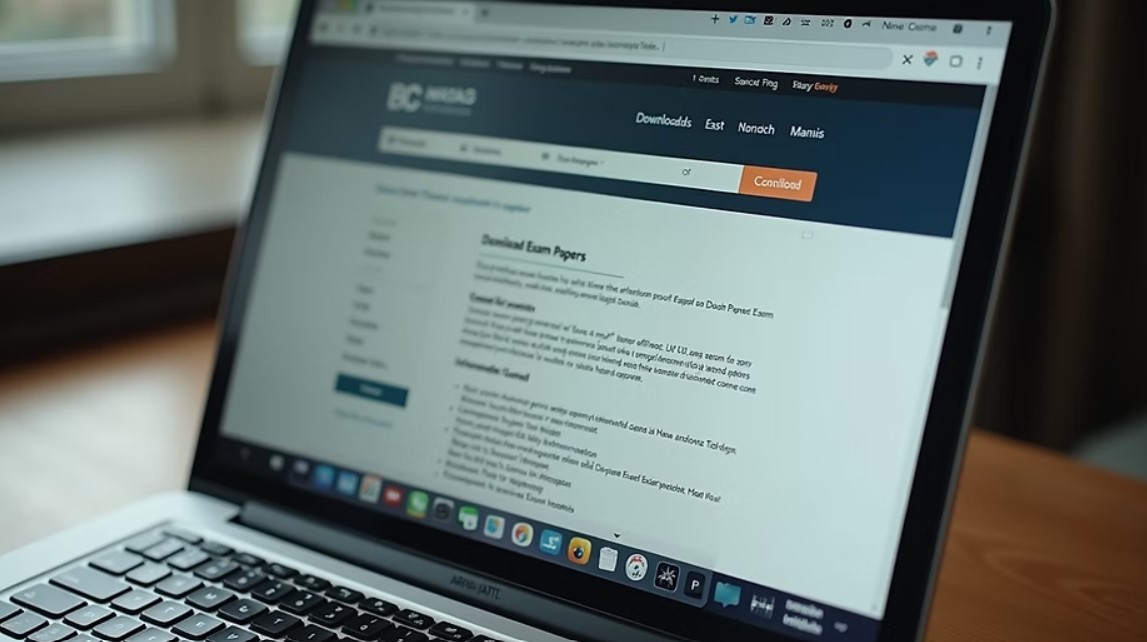
Access to quality past papers is crucial for effective exam preparation. Many websites offer a wide range of past exam papers for different subjects and levels. One reliable source is the
past paper practice
platform, which provides a comprehensive collection of past papers that you can use to test your knowledge and improve your exam technique.
Other popular websites include:
When using these resources, ensure you download papers relevant to your syllabus and exam board. Practicing with these papers regularly will help you become familiar with question patterns and time management.
Simply having access to past papers is not enough. To truly benefit from them, you need to use them strategically:
Incorporating past paper practice into your study plan can significantly enhance your exam readiness. It bridges the gap between theory and application, helping you understand how questions are framed and what examiners expect.
Exam stress can negatively impact your performance. To build confidence and reduce anxiety, try these techniques:
Remember, confidence comes from preparation. The more you practice and revise, the more assured you will feel on exam day.
By integrating these exam prep strategies and making use of resources like
past paper practice ,
you can transform your study routine and approach exams with greater confidence. Start early, stay consistent, and watch your exam performance improve steadily.